Future of Blockchain
1. what is Future of Blockchain?
Future of Blockchain holds immense potential across various industries, promising to revolutionize how data is stored, shared, and secured. As technology continues to evolve, blockchain is expected to become faster, more scalable, and energy-efficient. Innovations like Layer 2 solutions and sharding aim to address the limitations of traditional blockchains by increasing transaction speed and reducing costs. With the growth of decentralized applications (DApps) and Web3 technologies, blockchain will play a central role in creating a more open and user-controlled internet. This shift toward decentralization empowers users to have greater control over their data, reducing reliance on centralized platforms.
In the coming years, blockchain is expected to transform sectors such as finance, healthcare, supply chain management, and government services. In finance, Decentralized Finance (DeFi) platforms will continue to challenge traditional banking systems by offering faster, borderless, and more accessible financial services. In healthcare, blockchain can enhance patient privacy and ensure the secure sharing of medical records. Supply chains will benefit from improved transparency and traceability, allowing businesses to track products in real-time. Governments are also exploring blockchain for secure voting systems, identity management, and transparent record-keeping, reducing corruption and improving public trust.
As blockchain technology matures, challenges like regulatory uncertainty, security risks, and scalability issues will need to be addressed. Future advancements may focus on interoperability—enabling different blockchains to communicate seamlessly—and sustainability, reducing the environmental impact of energy-intensive processes like mining. Quantum-resistant algorithms are also being developed to protect blockchains from future threats posed by quantum computing. Overall, the future of blockchain looks promising, with innovations poised to reshape industries, empower individuals, and drive a more secure and decentralized digital economy.
2.Quantum-resistant Blockchain
Quantum-resistant Blockchainrefers to a type of blockchain technology that is designed to withstand potential threats from quantum computers. Traditional blockchains, like Bitcoin and Ethereum, rely on cryptographic techniques such as elliptic curve cryptography (ECC) and SHA-256 hashing, which are secure against classical computers. However, quantum computers, due to their advanced computational power, could potentially break these encryption methods using algorithms like Shor’s algorithm, which can efficiently factor large numbers and solve complex mathematical problems. Quantum-resistant blockchains aim to protect data and transactions from these future threats by implementing post-quantum cryptography (PQC) methods that are secure even against quantum attacks.
One key approach to achieving quantum resistance involves adopting quantum-safe algorithms, which rely on mathematical problems that are difficult for both classical and quantum computers to solve. Examples include lattice-based cryptography, hash-based cryptography, and multivariate polynomial cryptography. These techniques can replace vulnerable cryptographic methods, ensuring that private keys, transaction signatures, and user identities remain secure. Blockchain projects are actively researching and integrating these advanced algorithms to future-proof their systems. For instance, some blockchain networks are exploring hybrid models that combine traditional and quantum-resistant encryption, allowing for a smoother transition as the technology evolves.
Quantum-resistant blockchains are essential to maintain the integrity, security, and trust of decentralized systems in the quantum age. As quantum computing advances, these blockchains will play a critical role in protecting digital assets, ensuring secure financial transactions, and preserving user privacy. Developers and researchers are collaborating to implement new standards, such as those outlined by the National Institute of Standards and Technology (NIST), which is working to identify and standardize post-quantum cryptographic algorithms. By adopting quantum-resistant solutions, the blockchain industry can ensure long-term security and continue to provide a safe environment for future digital innovations.
3. Central Bank Digital Currencies (CBDCs)
Central Bank Digital Currencies (CBDCs) rare digital forms of a country's national currency, issued and regulated by the central bank. Unlike cryptocurrencies such as Bitcoin or Ethereum, which operate on decentralized networks, CBDCs are centralized and backed by the government. They are designed to function as a digital equivalent of physical cash, offering a secure, efficient, and regulated way for people to store and transfer money. CBDCs aim to modernize the financial system, reduce the cost of cash management, and provide a more accessible financial infrastructure for the public, including those without access to traditional banking systems.
CBDCs can be categorized into two main types: retail and wholesale. Retail CBDCs are intended for use by the general public for everyday transactions, much like cash or digital wallets. Wholesale CBDCs, on the other hand, are used by financial institutions for interbank transactions and large-scale payments, improving the efficiency and security of financial markets. By digitizing currency, central banks can offer faster transaction processing, better tracking of monetary flows, and enhanced transparency, reducing the risk of fraud and money laundering. Additionally, CBDCs could facilitate cross-border payments, making international transactions quicker and less expensive.
The implementation of CBDCs raises several concerns regarding privacy, security, and financial stability. While they provide greater oversight and reduce illicit activities, critics worry about the potential for mass surveillance and loss of transactional privacy. Central banks must also address technological challenges, including ensuring the resilience of digital infrastructure against cyberattacks. Several countries, including China (with its Digital Yuan), the European Union, and the United States, are actively exploring or piloting CBDCs. As more nations adopt this technology, CBDCs could reshape global financial systems, offering more inclusive and efficient financial services while posing new regulatory and ethical challenges.
.jpeg)
4.Green Blockchain Solutions
Green Blockchain Solutionsfocus on reducing the environmental impact of blockchain technology by using energy-efficient mechanisms and sustainable practices. Traditional blockchain networks, like Bitcoin, rely on Proof of Work (PoW), which requires massive computational power and consumes significant energy. This high energy consumption has raised concerns about environmental sustainability. Green blockchain solutions aim to address these issues by adopting more eco-friendly consensus mechanisms, optimizing energy usage, and integrating renewable energy sources into blockchain operations. These efforts aim to maintain the security and decentralization of blockchain while minimizing carbon footprints and promoting environmental responsibility
One approach to green blockchain is Proof of Stake (PoS) and other energy-efficient consensus mechanisms. Unlike PoW, which requires miners to solve complex mathematical problems, PoS selects validators based on the number of tokens they hold and are willing to "stake" as collateral. This method reduces energy consumption by over 99% compared to traditional mining. Major blockchains like Ethereum have transitioned from PoW to PoS to reduce their environmental impact. Additionally, other mechanisms like Proof of Authority (PoA) and Proof of Space and Time further decrease energy demands while maintaining network integrity and security.
Another significant aspect of green blockchain solutions involves the use of carbon offset programs and renewable energy sources. Blockchain projects can support environmental initiatives by tracking and verifying carbon credits through decentralized ledgers, ensuring transparency and accountability. Some blockchains are also powered by renewable energy sources such as solar or wind energy, reducing their dependence on fossil fuels. Companies and organizations are increasingly adopting green blockchain solutions to align with global sustainability goals and reduce the ecological footprint of emerging technologies. This transition not only protects the environment but also enhances the public image of blockchain as a responsible and forward-thinking innovation.

5.Blockchain in IoT
Blockchain in IoT enhances security, transparency, and efficiency by providing a decentralized and tamper-proof system for managing data. IoT devices constantly collect and share large volumes of data, making them vulnerable to hacking and unauthorized access. Blockchain addresses these vulnerabilities by creating a secure, immutable ledger where device data is recorded and verified. Each transaction is cryptographically secured and distributed across multiple nodes, making it nearly impossible for malicious actors to alter or tamper with the information. This ensures data integrity and enhances trust between connected devices.
One of the primary benefits of using blockchain in IoT is improved device authentication and access control. Traditional IoT systems rely on centralized servers, which create a single point of failure. Blockchain allows devices to authenticate each other directly using smart contracts—self-executing programs on the blockchain. This decentralized approach reduces the risk of cyberattacks and ensures that only authorized devices can access specific data or services. For example, in smart homes, blockchain can ensure that only verified users can control connected appliances, improving both security and privacy.
Another important use case is secure data sharing and automated transactions. IoT devices often need to share information with other systems in real-time, such as in supply chain management or smart cities. Blockchain facilitates seamless and secure data exchanges by providing a shared, tamper-proof ledger. Smart contracts can automate processes like payments, maintenance scheduling, and data reporting without the need for human intervention. This enhances operational efficiency, reduces costs, and improves transparency. For instance, in the logistics industry, blockchain can track goods from production to delivery, ensuring accurate data and reducing the chances of fraud or errors.
6.AI & Blockchain Integration
AI & Blockchain Integration combines the strengths of both technologies, offering enhanced security, transparency, and advanced data analysis. AI excels in processing large datasets, identifying patterns, and making predictions, while blockchain ensures secure, tamper-proof storage and decentralized data management. Together, they create intelligent and trustworthy systems that can revolutionize industries such as finance, healthcare, and supply chain management. This fusion enhances decision-making processes, automates tasks using smart contracts, and provides real-time insights while maintaining data integrity and privacy.
One significant benefit of AI and blockchain integration is secure data sharing and analytics. AI models require vast amounts of high-quality data to function effectively, but sharing sensitive information raises privacy concerns. Blockchain offers a solution by encrypting and storing data in a decentralized manner, ensuring that only authorized AI models can access and analyze the information. For example, in healthcare, patient records can be securely stored on a blockchain while AI analyzes the data to identify disease patterns, assist in diagnoses, and recommend personalized treatments without compromising patient privacy.
Another powerful application is in smart contracts and automated decision-making. AI can enhance the functionality of smart contracts by enabling them to process complex data inputs and execute decisions autonomously. For instance, in supply chain management, AI can analyze shipping data in real-time to detect inefficiencies, while blockchain-based smart contracts automatically trigger payments or alerts if conditions are met. This reduces human intervention, improves accuracy, and speeds up processes. Additionally, AI can monitor blockchain networks for suspicious activity, improving fraud detection and maintaining system integrity across decentralized platforms.
7. Layer 2 Solutions
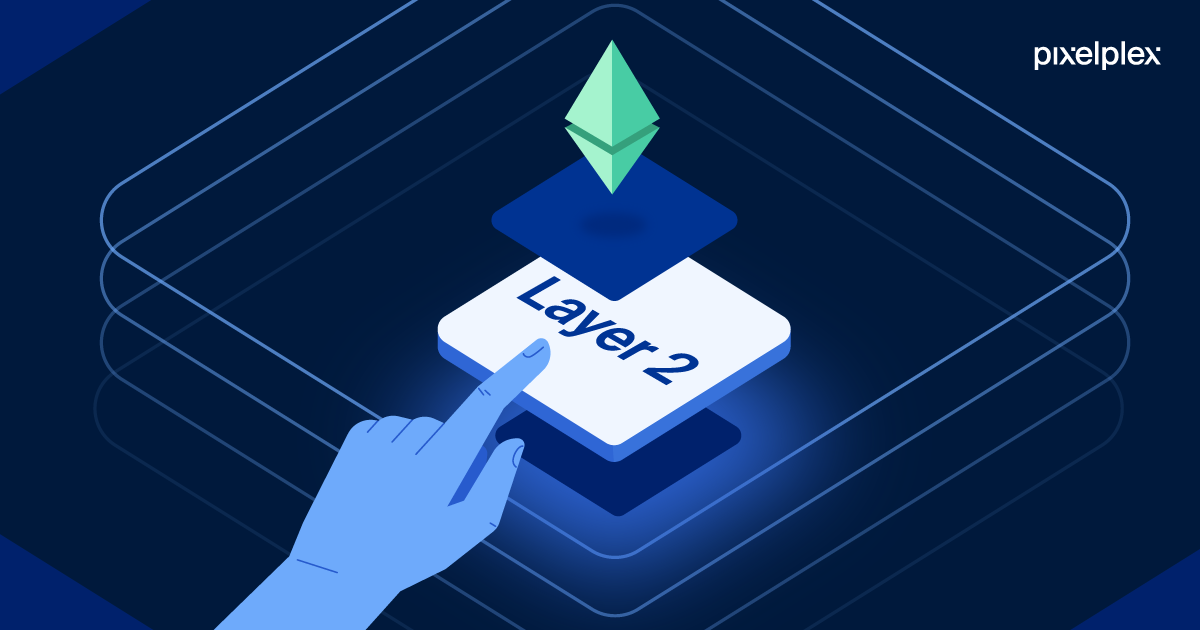
Layer 2 Solutions are technologies built on top of a blockchain (Layer 1) to enhance its scalability, reduce transaction costs, and improve processing speed. While Layer 1 refers to the base blockchain (e.g., Bitcoin, Ethereum), Layer 2 handles transactions off-chain or through parallel systems without compromising the security of the main network. These solutions are essential for mass adoption, as blockchains like Ethereum can become congested, leading to slower transactions and higher fees. By processing transactions off the main chain and only settling the final results on Layer 1, Layer 2 solutions provide a faster and more cost-efficient experience while maintaining the decentralization and security of the underlying blockchain
One popular Layer 2 technology is state channels, which allow users to conduct multiple transactions off-chain while only recording the final state on the blockchain. This reduces congestion and speeds up processes. For example, the Lightning Network for Bitcoin enables micro-transactions by opening payment channels between users, where countless exchanges occur without being directly recorded on the blockchain. Once the channel closes, the final balance is submitted to the main network. This approach is particularly useful for industries requiring frequent, small transactions, such as gaming and peer-to-peer payments, as it reduces fees and increases transaction speeds significantly.
Another key Layer 2 solution is rollups, which bundle multiple transactions into a single batch and submit them to the main blockchain. There are two main types of rollups: Optimistic Rollups and Zero-Knowledge (ZK) Rollups. Optimistic Rollups assume transactions are valid by default and only perform verification if a dispute arises, while ZK Rollups use cryptographic proofs to ensure transaction validity without revealing sensitive information. These technologies enhance Ethereum’s capacity by processing thousands of transactions off-chain while keeping costs low and ensuring security. They are vital for decentralized finance (DeFi) platforms, NFT marketplaces, and other high-traffic applications, ensuring a smoother and more scalable blockchain ecosystem.
8. Interoperability Between Blockchains
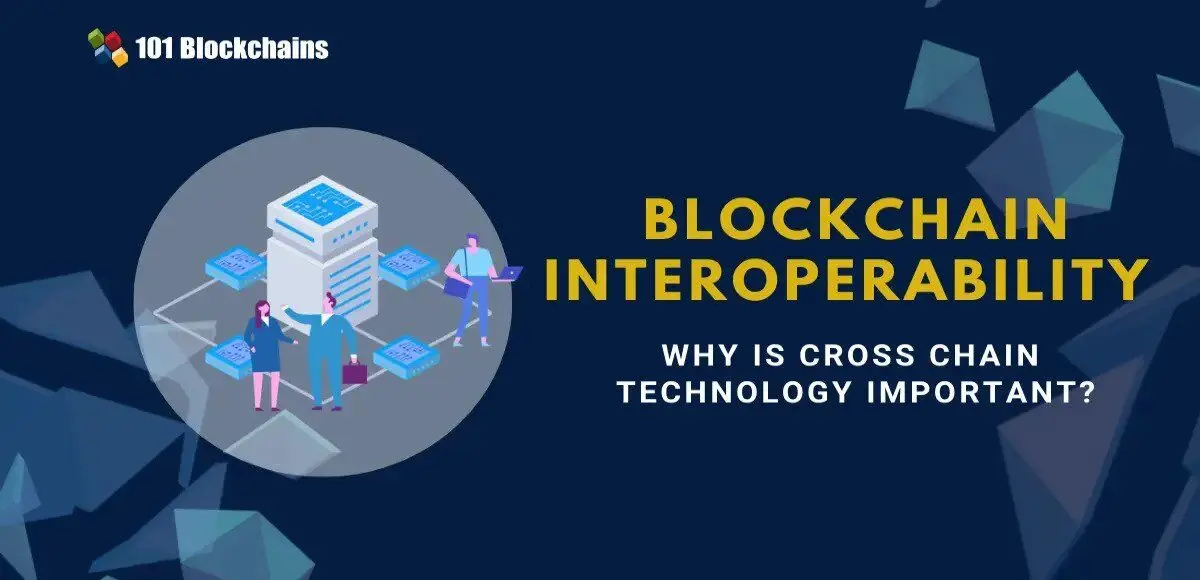
Interoperability Between Blockchains refers to the ability of different blockchain networks to communicate, share data, and transfer digital assets seamlessly. Since blockchains are typically designed as independent systems with unique protocols, interoperability is essential for enhancing the overall blockchain ecosystem. Without it, assets and information on one blockchain cannot interact with another, limiting the potential for innovation and collaboration. Interoperability solutions aim to bridge these gaps, enabling smooth transactions and data exchanges across diverse networks, fostering a more connected and efficient decentralized environment
One approach to achieving interoperability is through cross-chain bridges, which facilitate the transfer of assets between different blockchains. These bridges use smart contracts to lock assets on one blockchain while issuing equivalent tokens on another. For example, wrapped cryptocurrencies like Wrapped Bitcoin (WBTC) allow Bitcoin to be used on the Ethereum network. This method enables users to benefit from the strengths of both blockchains, such as Bitcoin's security and Ethereum’s smart contract capabilities. Cross-chain bridges are particularly valuable for decentralized finance (DeFi) applications, allowing users to move assets between ecosystems without relying on centralized intermediaries.
Another key method is blockchain interoperability protocols, such as Polkadot and Cosmos, which are designed specifically to connect multiple blockchains. Polkadot uses a “relay chain” to link various specialized blockchains (parachains), enabling them to share data and assets securely. Cosmos utilizes the Inter-Blockchain Communication (IBC) protocol, which allows independent blockchains to exchange information while maintaining their sovereignty. These protocols are critical for advancing multi-chain ecosystems, enabling different networks to work together efficiently. As the blockchain industry evolves, interoperability will play a pivotal role in enhancing scalability, innovation, and the seamless flow of digital assets across platforms.
Comments